When you’re thinking about installing a new fence, it’s easy to get caught up in the design, materials, and how it will improve your home’s appearance. But there’s a part of the process that many homeowners overlook—until it becomes a problem: fence height regulations, local codes, and HOA rules.
If you skip this step, what starts as an exciting upgrade can quickly turn into fines, disputes, or even having to tear your fence down. At Northland Fence in Minnesota, helping homeowners avoid these headaches is just as important as building a great fence. Here’s what you need to know before you start your project.
The Problem: “I Just Want a Fence—Why Is This So Complicated?”
You want privacy. Maybe you have kids or pets to protect. Or you simply want to define your property and boost curb appeal. A fence seems like a straightforward solution.
But then you start hearing about:
Height restrictions
Property line setbacks
HOA approvals
Permit requirements
Suddenly, your simple project feels overwhelming.
The truth is, fence regulations exist for a reason, but navigating them alone can be confusing. That’s where having the right guidance makes all the difference.
Why Fence Height Matters More Than You Think
Fence height isn’t just about preference—it’s often regulated by local municipalities and neighborhood associations.
In many parts of Minnesota, typical residential fence height limits are:
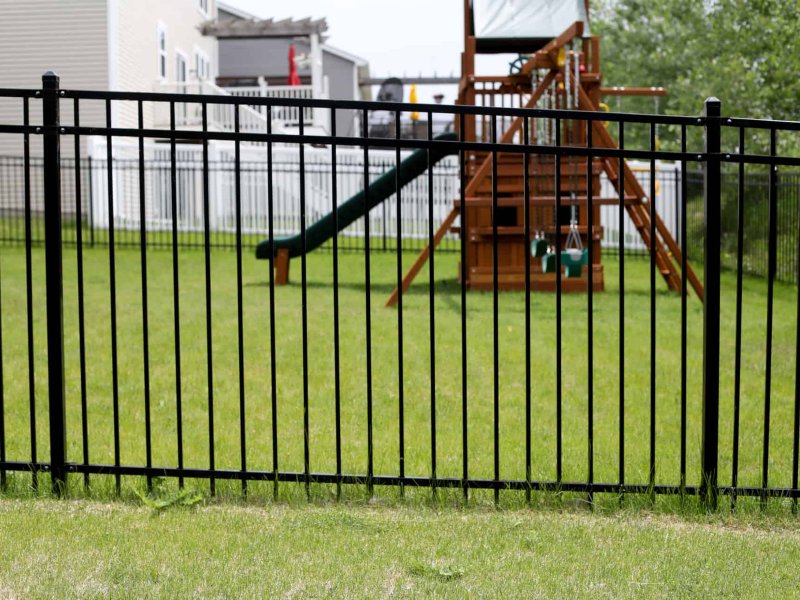
- Front yard: 3–4 feet
- Backyard: 6–8 feet
Why the difference? It comes down to visibility and safety. Shorter front-yard fences maintain clear sightlines for drivers and pedestrians, while taller backyard fences provide privacy without creating hazards.
If you install a fence that exceeds these limits without approval, you could face:
Code violations
Fines
Required modifications or removal
That’s a costly mistake—one that’s entirely avoidable with the right planning.
Local Codes: The Rules You Can’t Ignore
Every city or county in Minnesota has its own fencing codes. These rules cover more than just height. They often include:
Property Line Placement
You may think you know where your property ends, but assumptions can lead to disputes. Many municipalities require fences to be installed:
- Directly on the property line (with agreement), or
- A few inches to feet inside your boundary
A professional survey is often recommended before installation.
Setback Requirements
Certain areas—like corners or intersections—may require fences to be set back to preserve visibility. This is especially important for safety in residential neighborhoods.
Material Restrictions
Some cities regulate:
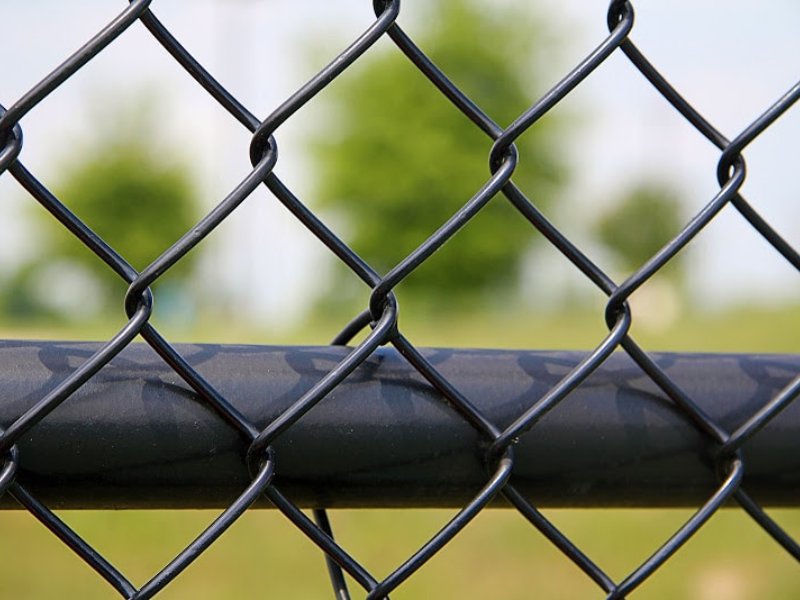
Chain-link fences in front yards
Barbed wire or electric fencing in residential zones
Fence opacity (how solid or open it is)
Permits
Many Minnesota municipalities require a permit before installation. Skipping this step can delay your project or lead to penalties.
HOA Rules: The Hidden Layer of Approval
If you live in a neighborhood with a Homeowners Association (HOA), you’ll need to follow their guidelines in addition to local codes.
HOAs often have stricter requirements, such as:
Approved fence styles and colors
Maximum height limits (sometimes lower than city codes)
Material restrictions (e.g., wood only, no vinyl)
Placement rules for uniform neighborhood appearance
Most HOAs require you to submit an application and get approval before building your fence.
Ignoring HOA rules can result in:
Fines
Mandatory removal
Ongoing disputes with your association
Even if your fence meets city regulations, it can still violate HOA guidelines—so both must be considered.
The Stakes: What Happens If You Get It Wrong?
Skipping the research phase might save time upfront, but it can cost you significantly later.
Homeowners who don’t follow fence regulations often face:
Costly corrections: Modifying or removing a fence isn’t cheap
Legal disputes: Property line disagreements with neighbors
Delays: Permit issues can stall your project
Stress: Navigating complaints, fines, and rework
This isn’t just about compliance—it’s about protecting your investment and your peace of mind.
The Solution: A Clear Path to a Compliant Fence
The good news? You don’t have to figure this out alone.
At Northland Fence, the process is designed to be simple and stress-free:
Step 1: Understand Local Requirements
Before any installation begins, it’s essential to review city or county codes. This ensures your fence meets all legal standards.
Step 2: Check HOA Guidelines
If applicable, review your HOA’s rules and submit any required applications early to avoid delays.
Step 3: Confirm Property Lines
A professional measurement or survey ensures your fence is placed correctly and avoids disputes.
Step 4: Choose the Right Design
Select a fence height and style that meets both your needs and regulatory requirements.
Step 5: Work with Professionals
An experienced fence company understands Minnesota’s local codes and can guide you through permits, design, and installation.
Why Homeowners Trust Northland Fence
Installing a fence should feel exciting—not stressful. That’s why Northland Fence focuses on more than just construction.
They help homeowners:
Navigate local Minnesota regulations
Understand HOA requirements
Avoid common compliance mistakes
Build fences that are both beautiful and code-compliant
Instead of guessing your way through the process, you get clarity and confidence from start to finish.
The Takeaway: Build It Right the First Time
A fence is more than a boundary—it’s an investment in your home’s privacy, safety, and value. But that investment only pays off if it’s done correctly.
By understanding fence height limits, local codes, and HOA rules, you can avoid unnecessary setbacks and move forward with confidence.
If you’re planning a fence project in Minnesota, Northland Fence is ready to guide you every step of the way, so you can focus on enjoying your new space, not fixing costly mistakes later.
Resources for Minnesota Homeowners
Before starting your fence project, here are a few helpful resources to consult:
- Local City or County Website: Most municipalities provide fencing codes, permit requirements, and zoning information online.
- HOA Documentation: Review your community’s covenants, conditions, and restrictions (CC&Rs).
- Property Survey Records: Available through your county or a licensed surveyor.
- Minnesota State Building and Zoning Offices: Offer guidance on general property improvement regulations.
If you’re unsure where to start, a professional fence contractor can help point you in the right direction.