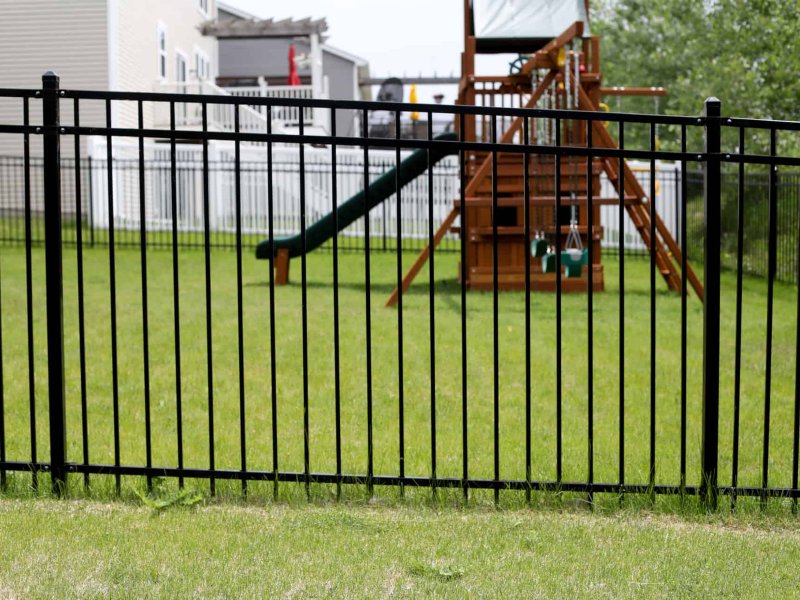
When you think about installing a fence, it’s easy to focus on appearance—color, style, and how it complements your home. But for homeowners across Minnesota, the real value of a residential fence goes much deeper. A well-designed fence is your first line of defense. It protects your family, secures your property, and gives you peace of mind.
At Northland Fence, we believe a fence should do more than mark boundaries—it should actively work for you. Let’s walk through the essential safety and security features every residential fence should include so that you can make a smart, confident investment.
Your Problem: Feeling Exposed at Home
You want your home to feel like a haven. But without the right fencing, your property may be vulnerable to trespassers, wandering pets, or even accidental hazards—especially if you have children or a pool.
And here’s the truth: not all fences are built with safety in mind.
Some have gaps that are too wide. Others are too easy to climb. And many lack proper gate security, creating weak points that undermine the fence’s purpose altogether.
The Guide: Northland Fence
Northland Fence understands the unique needs of homeowners in Minnesota—harsh winters, local codes, and the importance of long-lasting durability. With the right features, your fence becomes more than a structure—it becomes a system designed to deter, delay, and protect.
The Plan: Must-Have Safety & Security Features
Proper Fence Height
Height matters more than most homeowners realize. A fence that’s too short is easy to climb or step over.
- Most residential fences range from 4 to 6 feet
- Taller fences provide better deterrence and privacy
- Pool fences often require a minimum of 48 inches for safety compliance
A taller fence doesn’t just block access—it sends a clear message: this property is protected.
Anti-Climb Design
If someone can climb your fence, it’s not doing its job.
Look for features like:
- Vertical pickets instead of horizontal rails
- Narrow spacing to eliminate footholds
- Smooth or spear-topped finishes for added deterrence
Fences designed without handholds or footholds are significantly harder to scale, making them more effective at preventing intrusion.
Secure, Lockable Gates
Your fence is only as strong as its weakest point, and that’s usually the gate.
Every residential fence should include:
- Lockable latches or keyed entry
- Self-closing and self-latching mechanisms (especially for pools)
- Outward-opening gates in high-risk areas
Safety guidelines recommend placing latches at least 48 inches high to keep them out of reach of children.
Strong Materials & Reinforced Structure
A fence should be built to withstand both weather and wear.
Key structural features include:
- Reinforced posts set securely in the ground
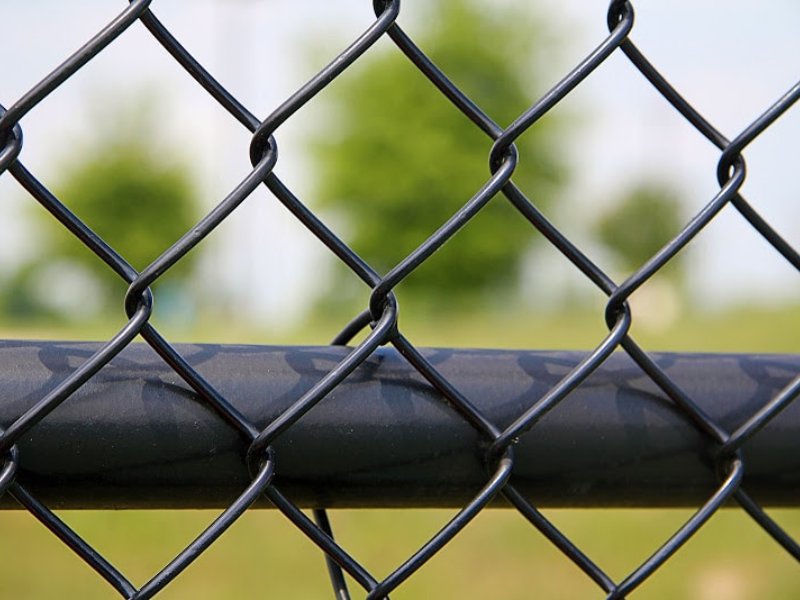
- Durable materials like vinyl, aluminum, or high-quality chain link
- Mesh or picket spacing that resists bending or breaking
Higher-quality materials that meet industry standards (like ASTM guidelines) are significantly stronger and more reliable over time.
Tight Spacing & Gap Control
Gaps in your fence can create safety risks for children and pets—and opportunities for intruders.
Important guidelines:
Openings should be small enough to prevent squeezing through
Pool fences often require gaps of less than 4 inches
Bottom clearance should be minimal to prevent crawling underneath
These small details make a big difference in keeping your yard secure.
Continuous, Gap-Free Perimeter
A fence only works if it fully encloses your property.
That means:
- No breaks or weak points in the fence line
- Proper alignment along property boundaries
- Secure connections between panels
Security experts emphasize that a continuous barrier is essential for both deterrence and delay—two critical components of effective perimeter protection.
Visibility vs. Privacy Balance
This might surprise you: total privacy isn’t always safer.
Solid fences can create hiding spots, while more open designs:
- Improve visibility from your home
- Allow neighbors to notice suspicious activity
- Reduce blind spots
The best fence balances privacy with visibility to support natural surveillance.
Code Compliance & Local Regulations
In Minnesota, fence requirements can vary by city and neighborhood. Ignoring them can lead to fines or even having to remove your fence.
Common regulations include:
- Height limits
- Property line setbacks
- Special rules for pool enclosures
- HOA approvals
Working with a professional ensures your fence meets all local safety and legal standards from day one.
The Stakes: What Happens Without These Features?
Without proper safety features, your fence can fail when you need it most.
- Children may access unsafe areas
- Pets can escape
- Intruders may find easy entry points
- Liability risks increase, especially with pools
A poorly designed fence doesn’t just underperform—it can create new dangers.
The Success: Peace of Mind at Home
Imagine stepping into your backyard knowing:
- Your children are safe
- Your pets are secure
- Your property is protected
That’s what the right fence delivers.
With Northland Fence, homeowners across Minnesota get expertly designed fencing solutions that prioritize both safety and style—so you never have to choose between the two.
A fence isn’t just a boundary—it’s a promise of safety. Make sure yours delivers.